Make South Africa the Trip of a Lifetime
For even the most well-seasoned traveller, South Africa has a way of being life-changing. Few destinations offer such an extraordinary range of experiences, from the gorgeous landscapes, exotic animals, and soft-sand beaches to the prestigious wineries and the charm of Cape Town, easily one of the most stunning cities in the world.
Because it offers such a wealth of travel possibilities, trip planning can feel daunting. Most first-time visitors don’t realize what choices are available. Travel here can be as simple or adventurous as you want it to be. Best of all, people are exceptionally friendly, and English is widely spoken.
South Africa is the most popular country in the world for safaris, and wildlife is undoubtedly what most international visitors come to see. North American travellers often believe their only choice is to book a fully guided luxury safari. While this is definitely a great route, what many foreign tourists don’t know until they arrive is that the vast majority of people in South Africa are doing self-guided safari trips, driving themselves through the parks, and staying in park accommodation, lodges, campgrounds, or hotels and resorts just outside the parks.
Much like Canadians drive themselves around Banff National Park, South Africans and foreign tourists drive themselves through places like Kruger National Park. This differs from much of the rest of the continent, setting South Africa apart as one of the most accessible areas for wildlife viewing.
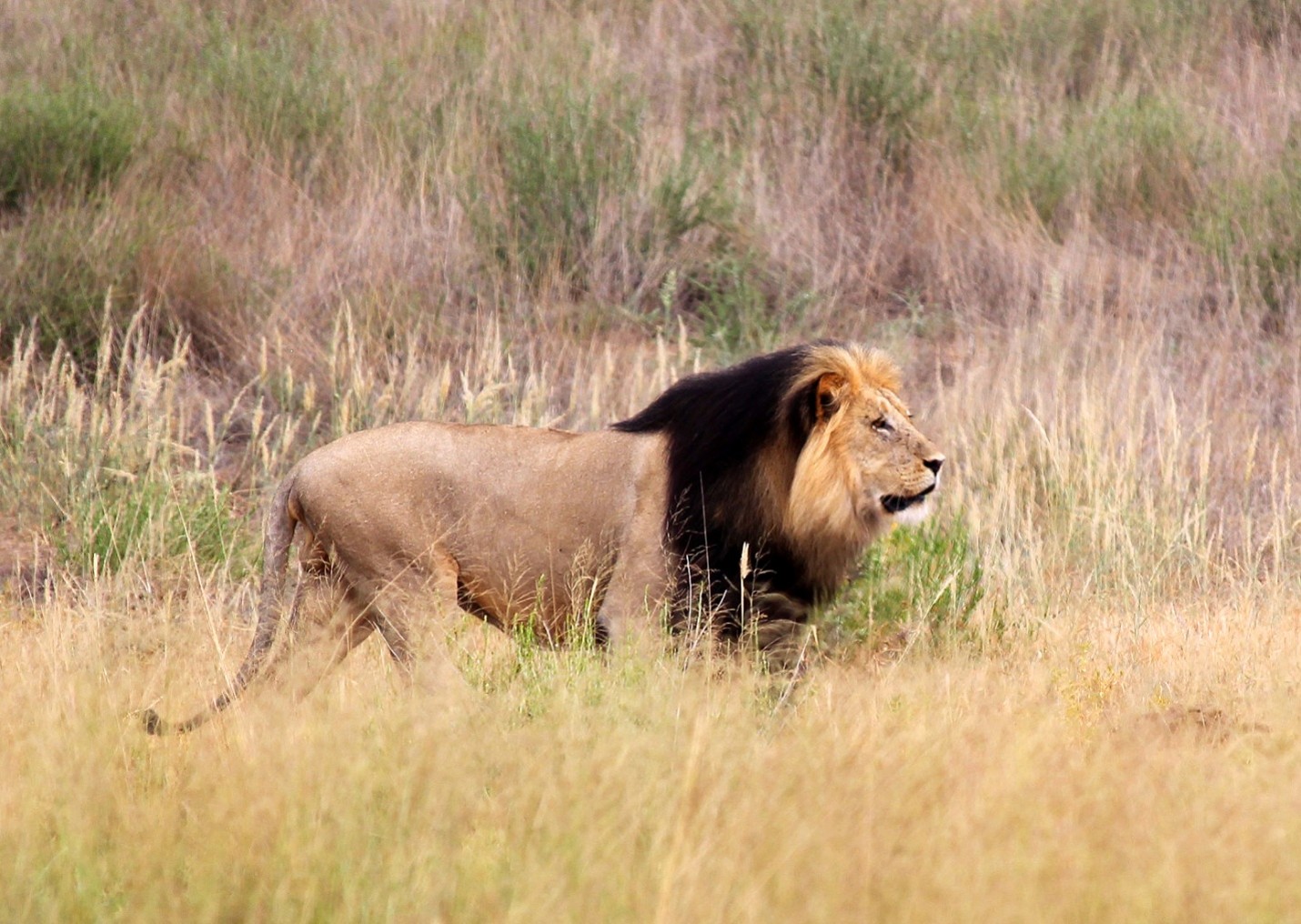
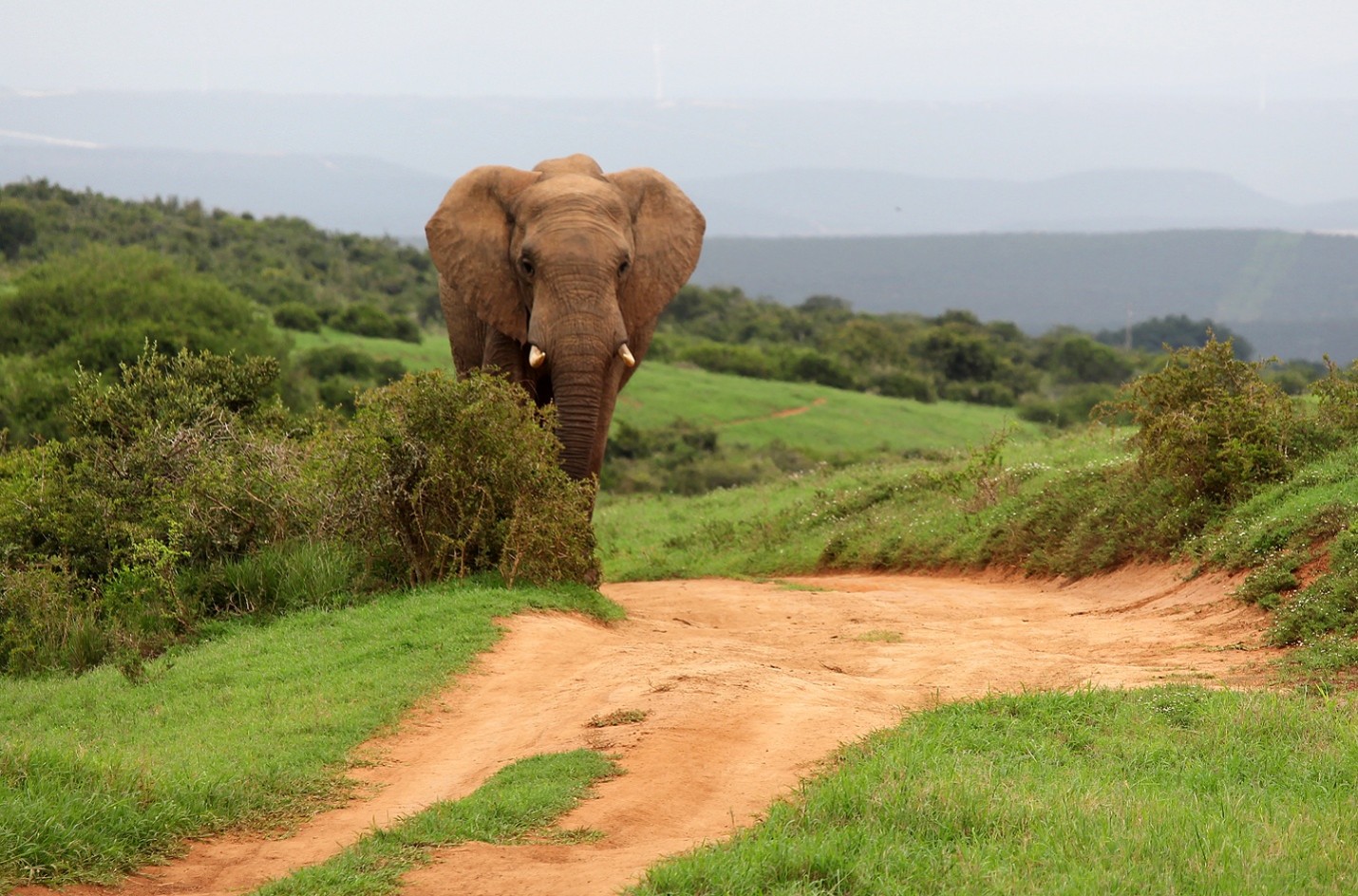
Nearly all national parks in South Africa allow private vehicles, and they make up the bulk of traffic in the parks. Guided open-air safari vehicles are the exception, and they all use the same roads. And yes, that means you can drive yourself up to lions and zebras or find yourself stuck behind an elephant wandering down the road, setting a leisurely pace. If you have not done this before, it is a truly mind-blowing experience.
Below is a look at the main destinations to consider when planning a trip to South Africa, when to go, where to stay, and some of the logistics. Whether you choose to book a tour or go it alone, knowing the options is key. For trips of less than two weeks, most travel advisors will suggest a few days in Cape Town and the surrounding Winelands, followed by a flight to Kruger for a luxury safari. With more time, the possibilities expand dramatically.
Cape Town
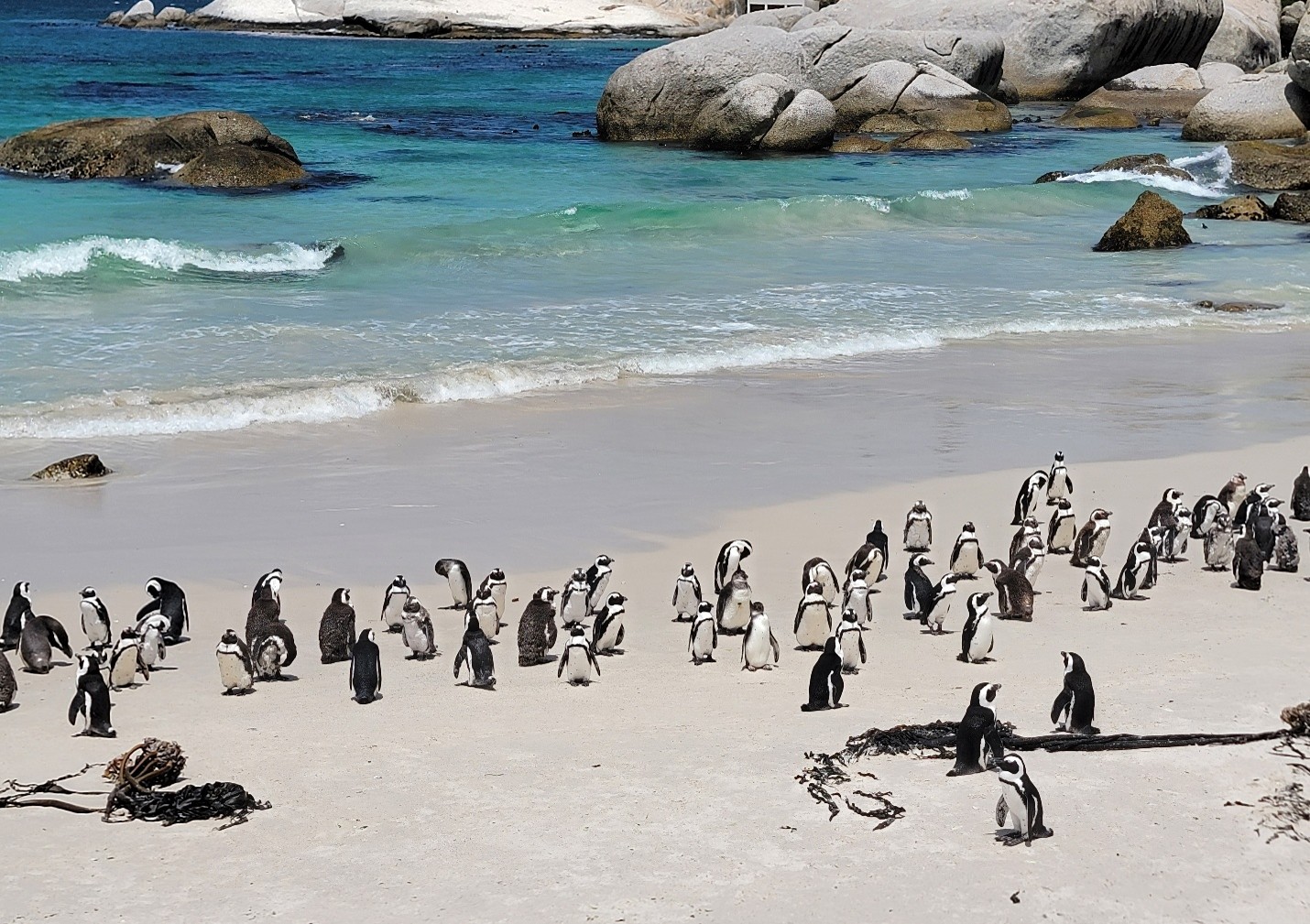
Cape Town is a stunning city with lovely neighbourhoods that feel like small towns and some outstanding beaches. You can spend your time wandering around shops and restaurants at the V&A Waterfront or take a drive south down the Cape to Chapman’s Peak and beyond to the Cape of Good Hope. Don’t miss a chance to see, or even swim, with the adorable African penguins at Boulders Beach in Simon’s Town. And of course, take a cable car up Table Mountain for stunning views over the city and ocean.
If you don’t want to drive yourself, Cape Town has a hop-on hop-off tourist bus system with various routes that will take you around the city or down the Cape. Alternatively, book a tour or hire a driver for a day or two to show you around at your own pace.
Neighbourhoods and Where to Stay
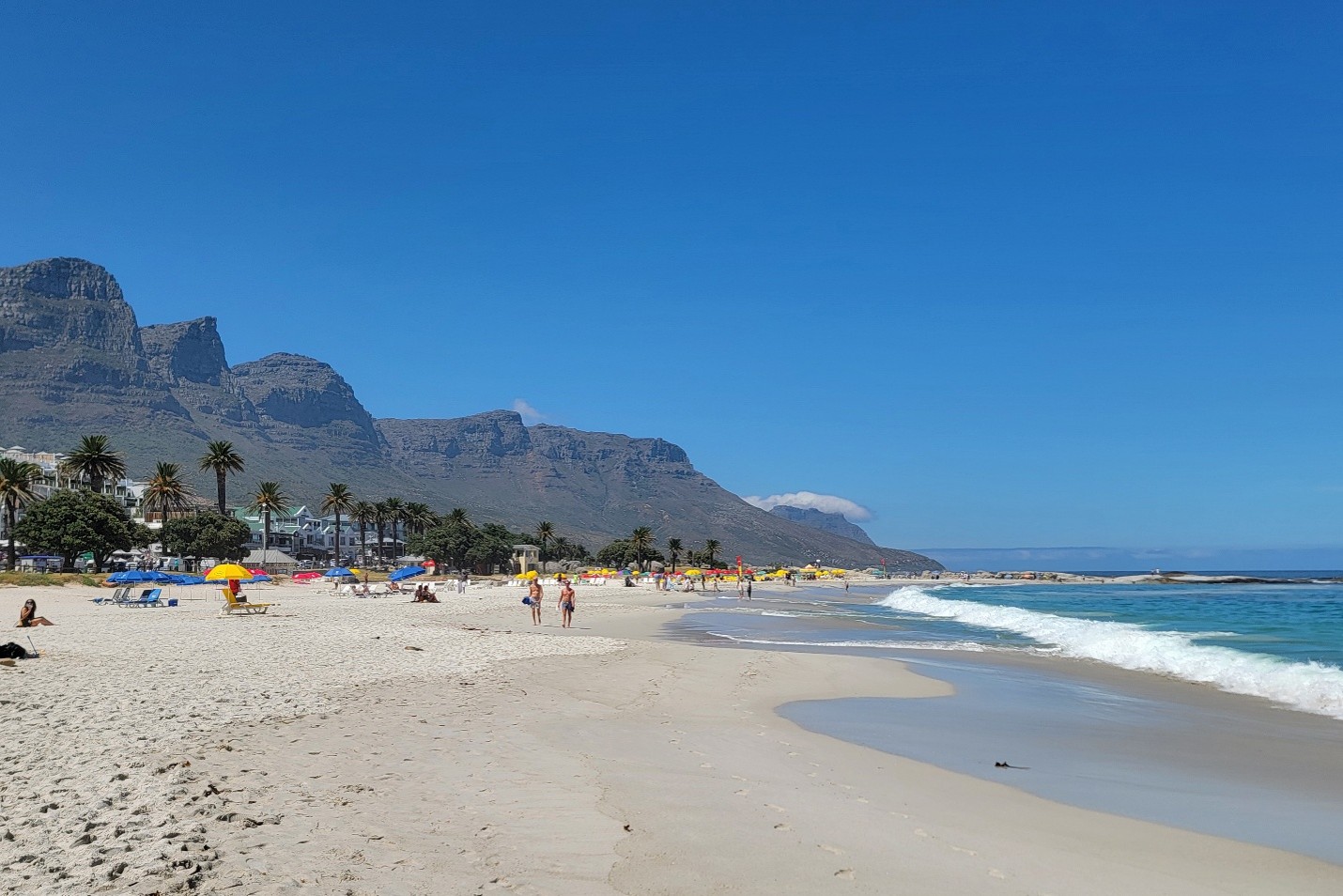
The V&A Waterfront is a lively area for shopping and dining along the harbour, with some high-end properties, including the posh The Silo Hotel. For beaches and more of a small-town vibe, Camps Bay is a great area, as is nearby Sea Point.
The drive from the airport into the city is best done by taking an Uber or having your hotel arrange for your pickup. If you decide to get a rental car at the airport, be sure you know your route beforehand because the sketchiest part of Cape Town is between the airport and the city, although a good highway connects them.
When to Go
Cape Town is best between September and May, with the peak months for warm, sunny weather running from November to March. June to August are cold and rainy. However, the school holidays, which run from mid-December to mid-January, are not a good time to go because beaches are packed to the point of being scary, and traffic is terrible.
The Wine Region near Cape Town: Stellenbosch and Franschhoek
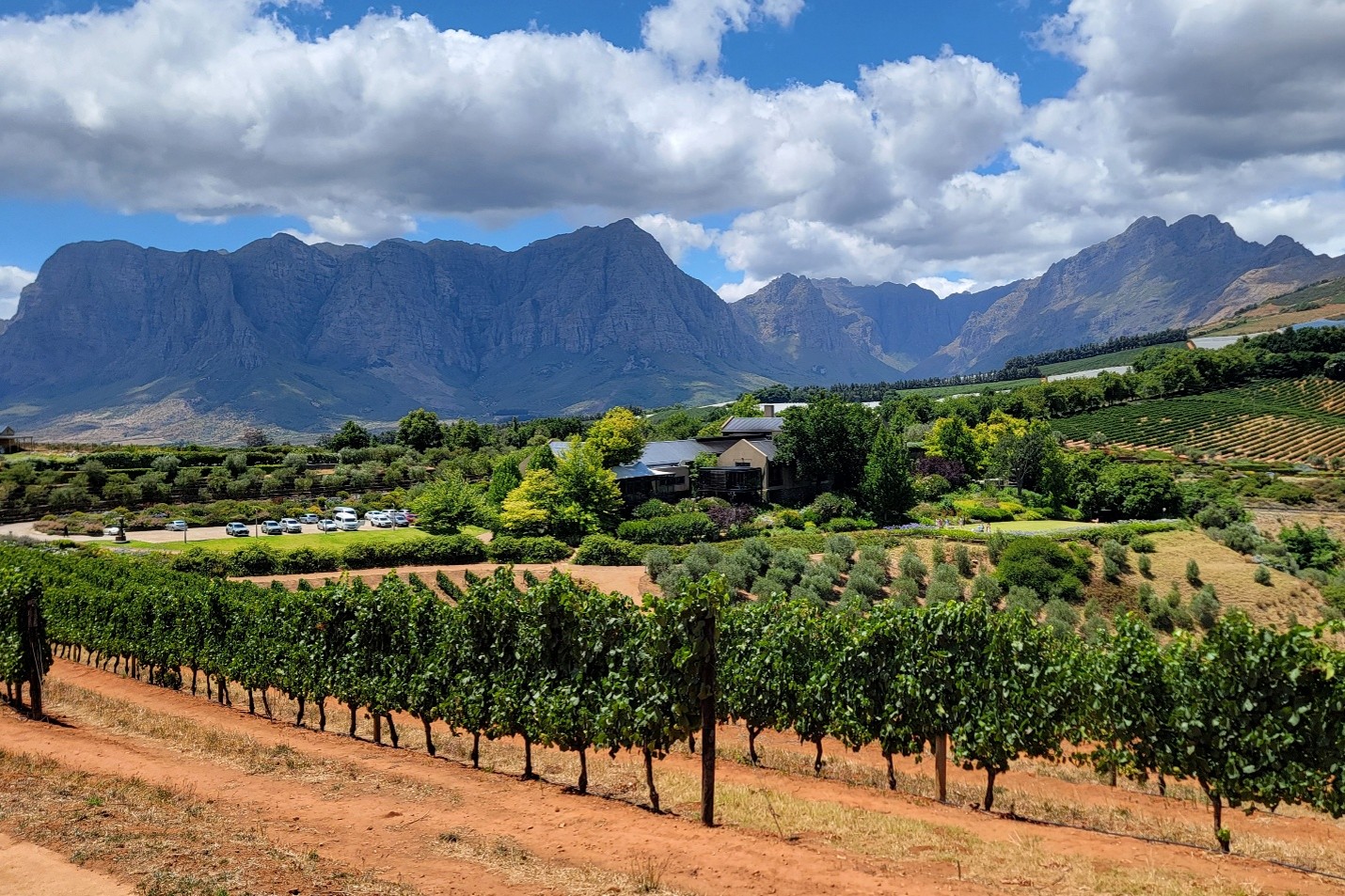
Just a 45-minute drive from downtown Cape Town in the foothills of the mountains is a beautiful wine region anchored by the towns of Stellenbosch and Franschhoek. Stellenbosch is the larger of the two and has more on offer, but both towns are lovely. Franschhoek is popular for its wine tram tours, with various lines that take you from estate to estate. In Stellenbosch, you can try the wine tractor hop on hop off tasting tour as an easy way to get around.
These are both safe communities with great accommodation options. You can either visit on a day trip from Cape Town or spend a night or two. Numerous day tours will pick you up and drop you off right at your hotel. If you are staying the night, look out for the Stellenbosch Street Soirée, held every second Wednesday during the summer. Local wineries set up on Drostdy Street, where, for a small fee, you can sample local wines and food while mingling with other travellers.
The Garden Route and Nearby Wildlife Experiences
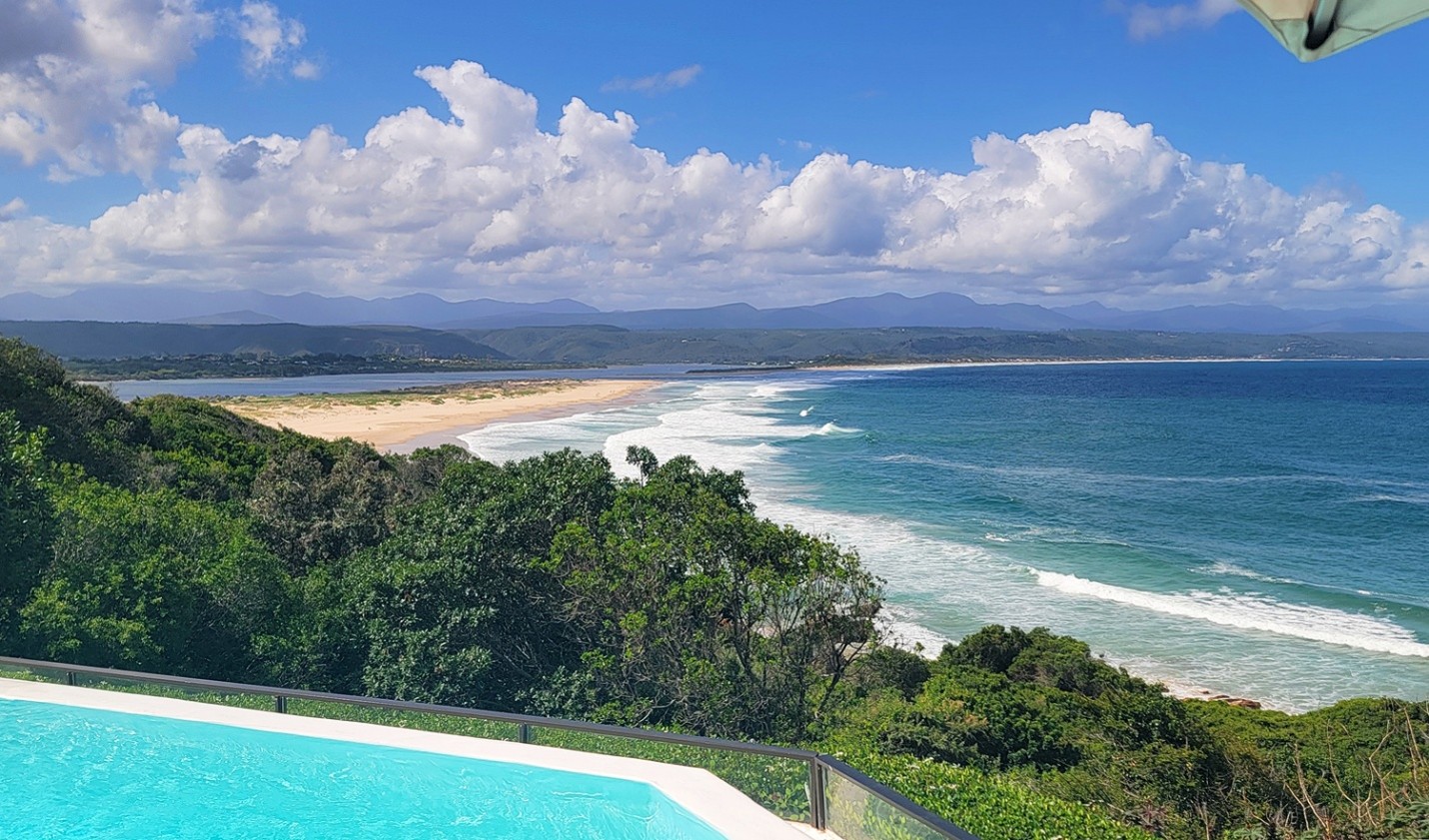
The Garden Route is a wonderful addition to a Cape Town visit if you have at least three days to spare, though you’ll want to add another two days if you plan to visit nearby parks.
Beginning roughly four hours east of the city, this 300-kilometre scenic route stretches along the coast from Mossel Bay to the Storms River Mouth, winding past dramatic coastlines and offering opportunities for hiking, long beach walks, kayaking, and even bungee jumping.
Some of the most impressive towns along the Garden Route are Knysna, the tiny village of Wilderness, and Plettenberg Bay. You can also do picturesque inland drives over mountain passes to visit ostrich farms and catch a glimpse of the arid landscape of the Little Karoo.
Small inns and boutique hotels can be found in most of these towns. The Plettenberg Hotel is a member of the Small Luxury Hotels of the World and has a fabulous location overlooking the ocean. Even if you are just passing through, the terrace restaurant makes a nice stop. Wilderness and Knysna each have several luxury inns to choose from as well.
Most people tackle this as a self-drive trip, but you can also take a multi-day tour with options to visit nearby national parks to the east of the Garden Route for wildlife experiences.
Addo Elephant National Park
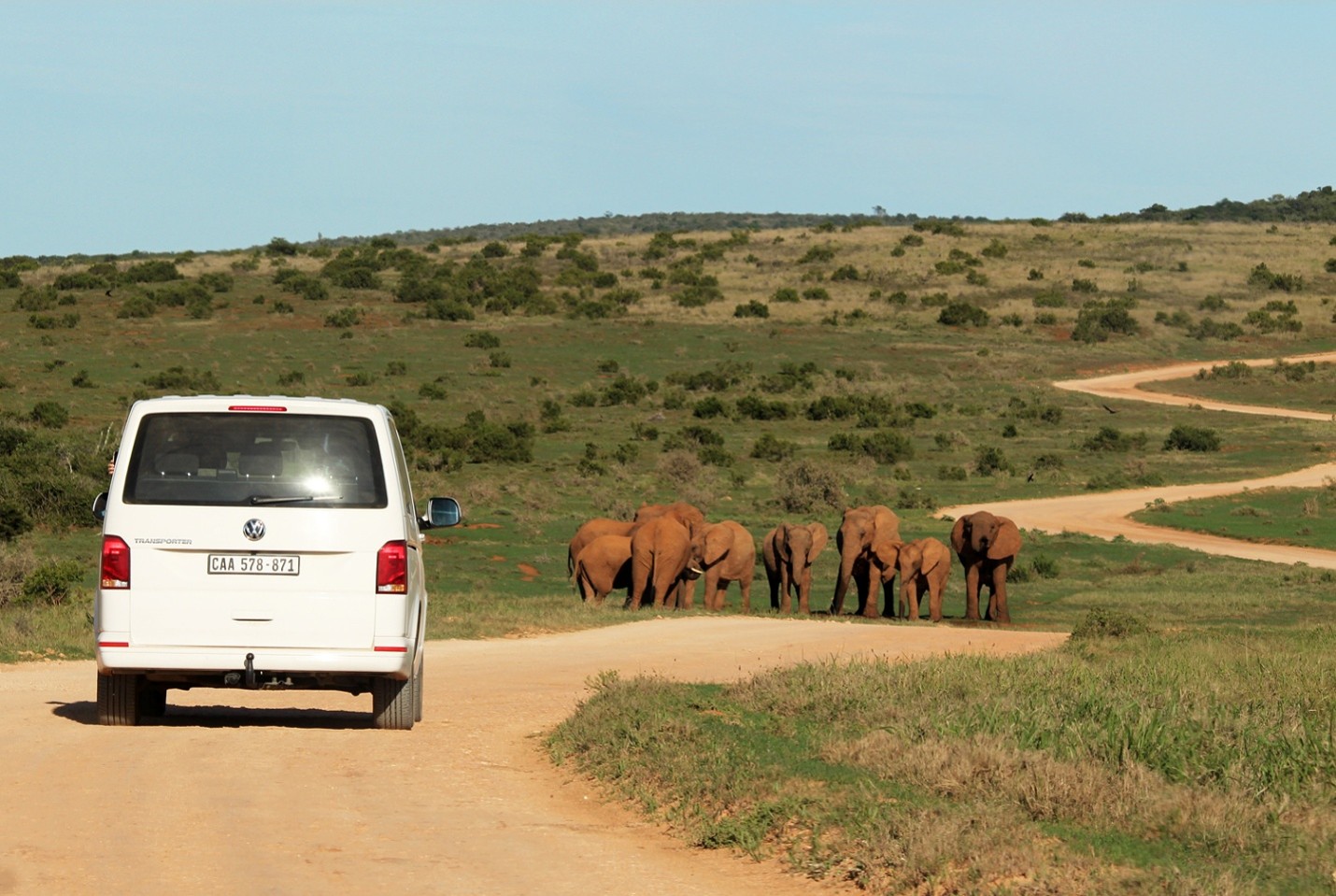
A few hours east of the Garden Route, near the city of Gqeberha (officially renamed, but still often referred to as Port Elizabeth or simply PE), is Addo Elephant National Park, a fantastic safari stop, especially if you are not going on to Kruger National Park.
If you come to South Africa intent on seeing elephants, this is likely the best experience you’ll find. This relatively compact park has good roads and a large elephant population, which is generally known for being relaxed and much less aggressive than those in Kruger. We personally found this park offered the best elephant experience, with close encounters minus the anxiety that comes with a moody elephant having a temper tantrum.
Addo is also home to rhinos, Cape buffalo, lions, leopards, zebras, a variety of antelope, monkeys, mongooses, an abundance of warthogs, and much more.
From Port Elizabeth, it’s best for safety reasons to enter the park from the south entrance (Matyholweni Gate) near the small town of Colchester, just 10 minutes from the park gates. Although this is a tiny town with few amenities, the Dungbeetle River Lodge is a comfortable base that also offers guided game drives into the park for an additional fee, if you don’t want to drive yourself.
Mountain Zebra National Park
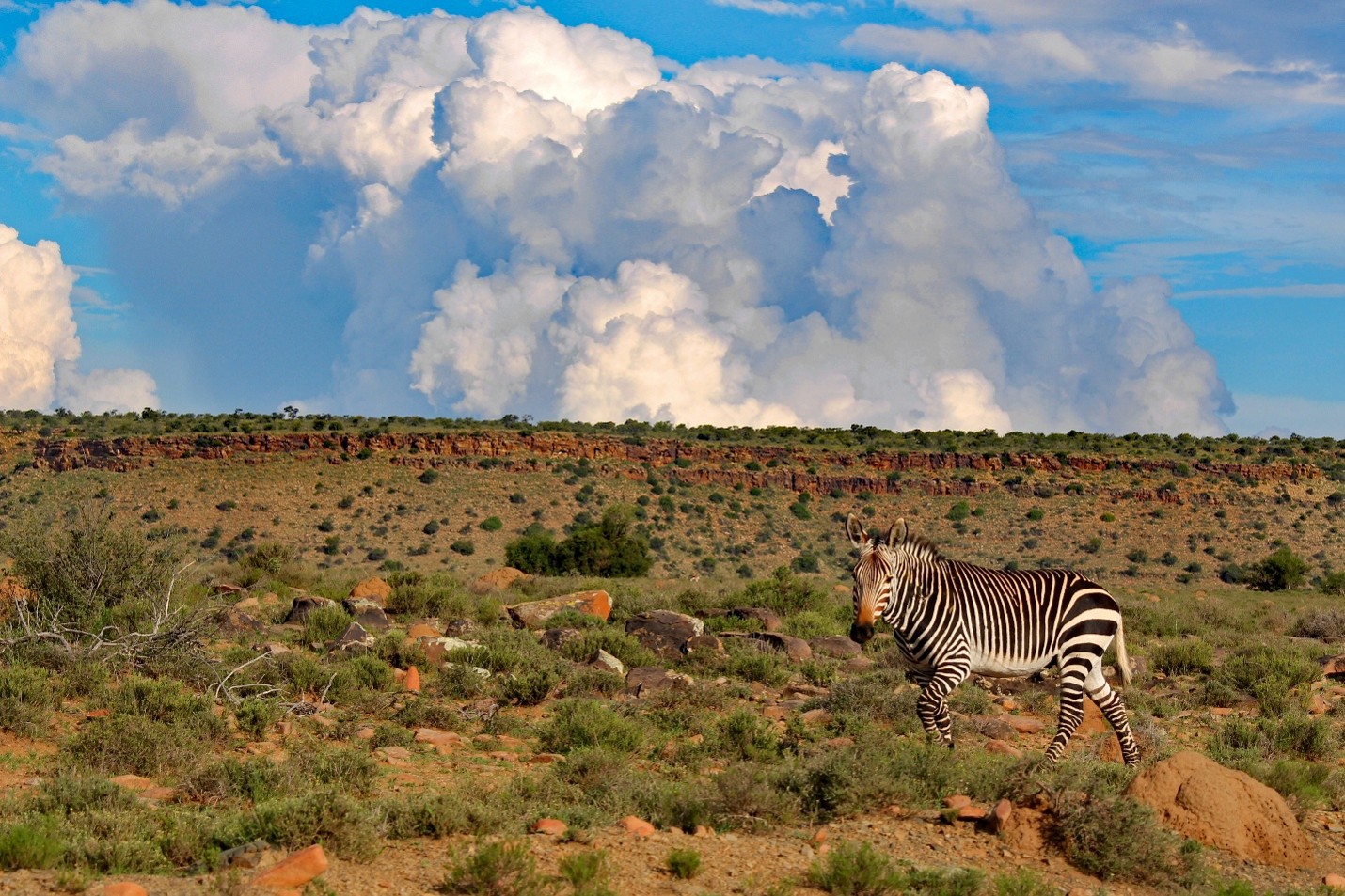
Roughly three hours north of Addo Elephant National Park, Mountain Zebra National Park is set in the beautiful semi-arid landscape of the Karoo. In summer, this park is worth a visit for the stunning scenery alone. In contrast to Addo’s dense thickets, here you’ll find sweeping plateaus and rolling mountains with easy-to-navigate roads that allow access right to the top for grand vistas that stretch for miles.
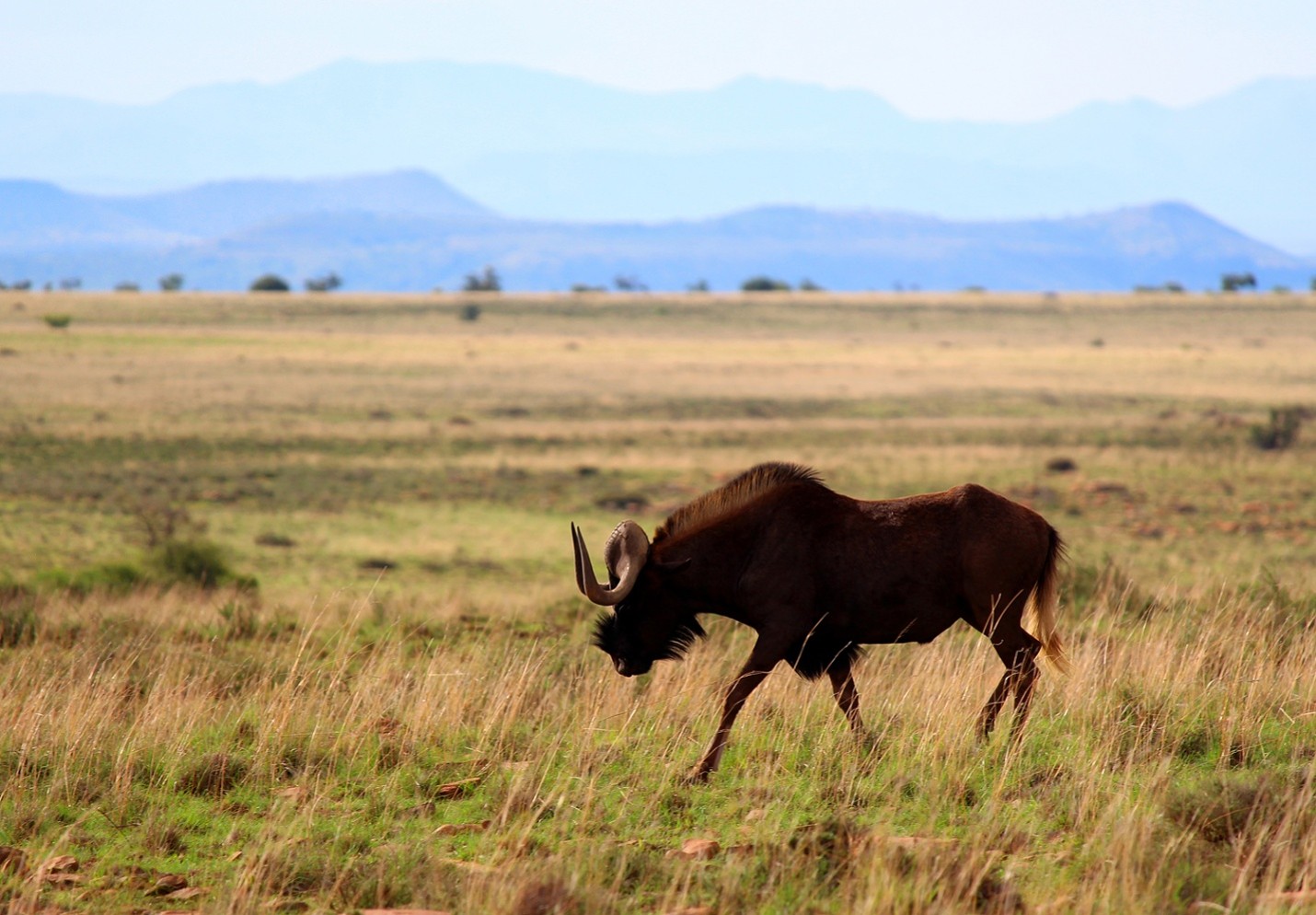
Although this park was established to protect endangered Cape mountain zebras, it has huge herds of springbok, blesbok, black wildebeest, and other antelope that you can see playing and grazing on the open grasslands. A small population of lions and cheetahs reside here as well. The guided evening safari is one of the best in South Africa and offers a chance to spot elusive nocturnal animals like aardwolves, brown hyenas, owls, springhares, porcupines, genets, and others that you are unlikely to see during the day.
The best accommodation option is to base yourself in the park at the rest camp, which offers lovely, renovated chalets. These are extremely good value and come with fully equipped kitchens, separate bedrooms, indoor fireplaces, and outdoor braai areas. The park also has a restaurant if you prefer not to cook.
Kruger National Park
About Kruger National Park
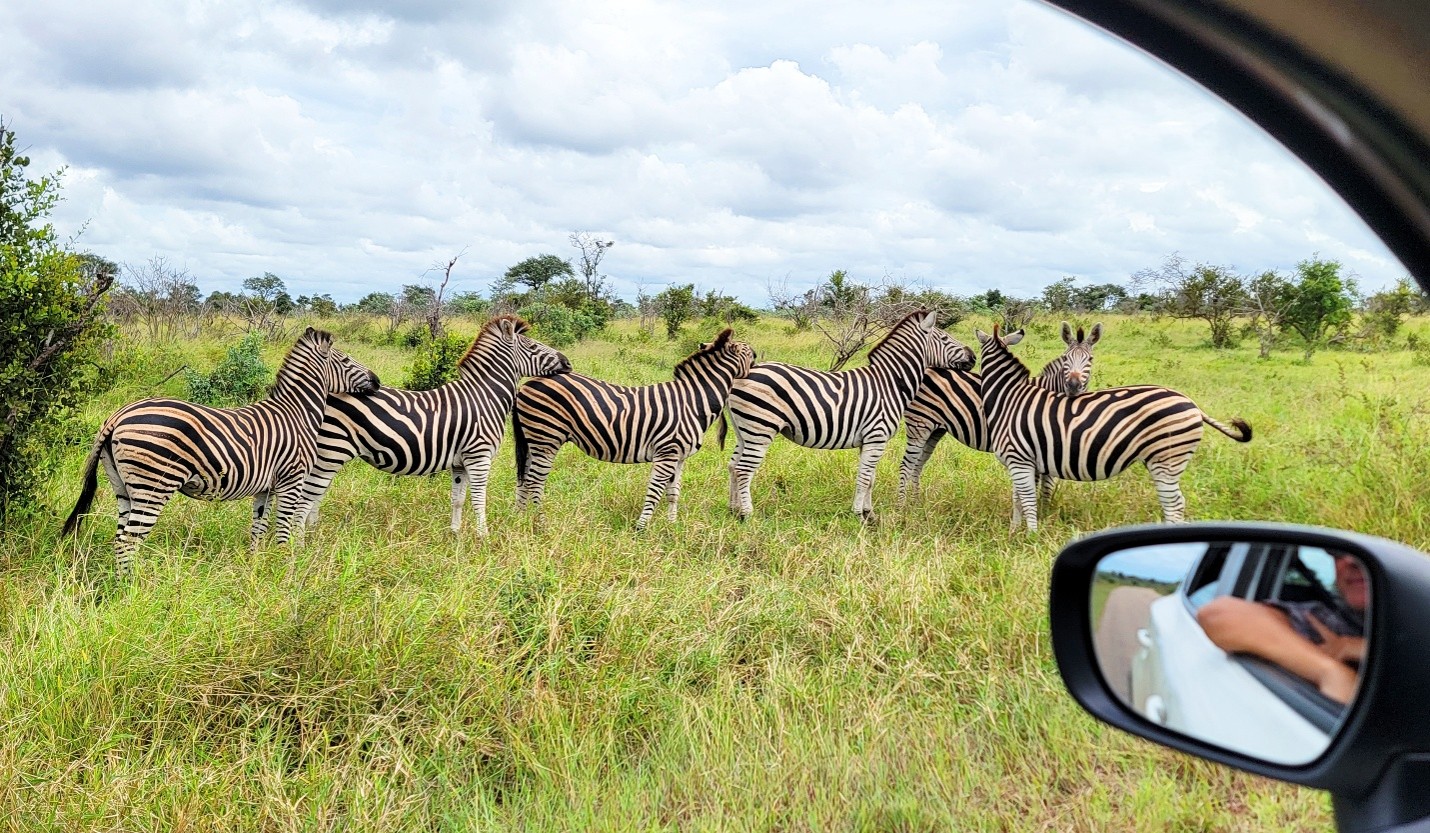
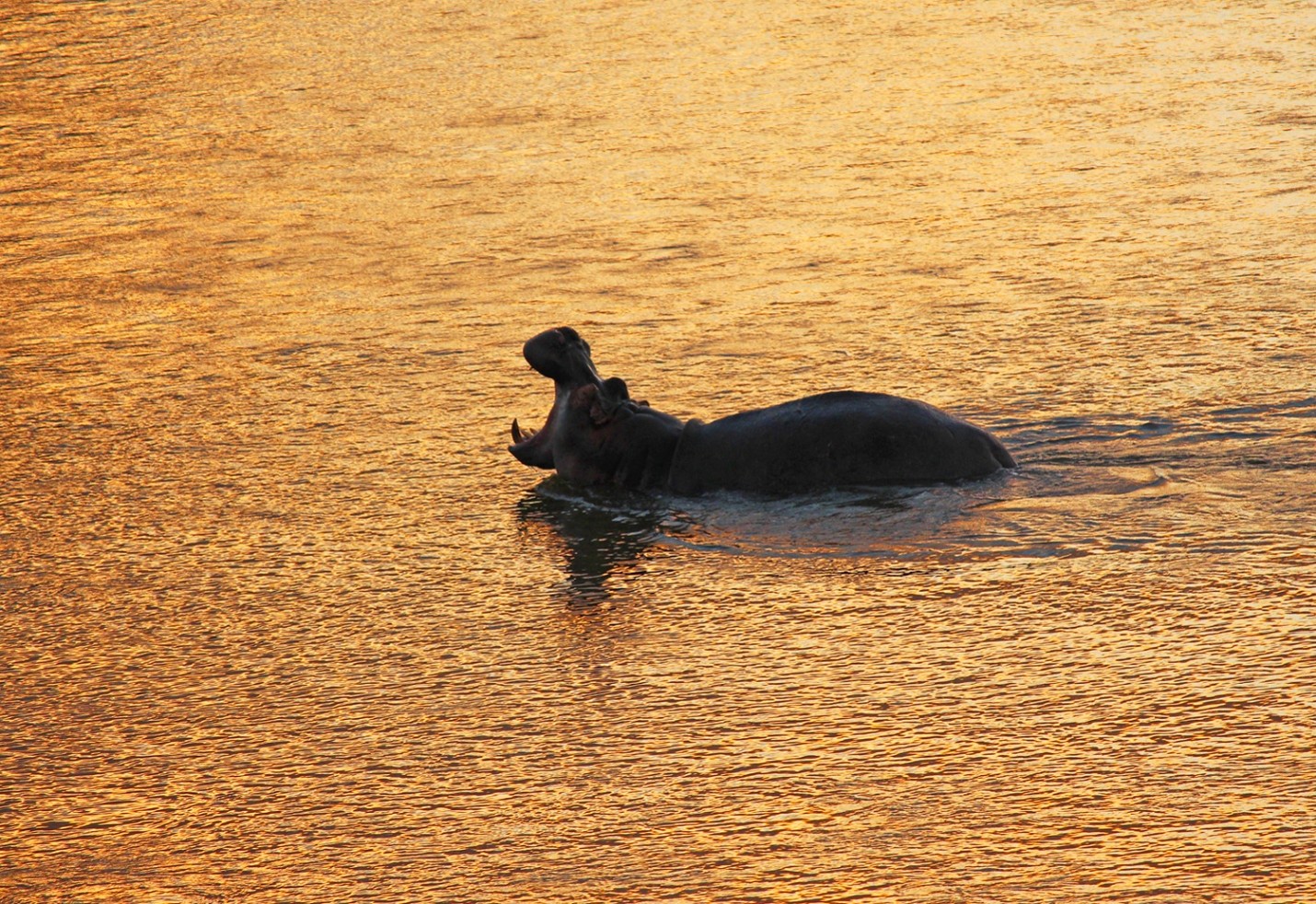
Roughly the size of Wales, Kruger National Park is the crown jewel of South Africa’s national park system. It’s also your best bet for seeing the Big Five (elephants, rhinos, Cape buffalo, lions, and leopards) all in one park. You can also see all the usual suspects, like giraffe, zebras, antelope, hyenas, wild dogs and a huge variety of birds. The rivers running through the park mean you can also spot hippos and crocodiles.
Safari Lodges
Kruger is the place for luxury safaris. South Africa is home to some of the finest safari lodges in the world alongside extraordinary game viewing. If you have been dreaming of a five-star luxury wilderness escape, where gourmet meals go hand in hand with endless bushveld vistas, and daily game drives are led by elite guides, this is where you will find it.
Most high-end lodges are set within private game reserves that share unfenced borders with Kruger National Park, like Sabi Sand and Timbavati. Many exceptional accommodation options exist, but some standout properties include Singita Boulders Lodge, Londolozi, Sabi Sabi and the Royal Malewane. Also of note, Richard Branson’s Ulusaba Rock Lodge and Safari Lodge will reopen in April of 2027 following a complete redesign.
You can fly right to the park from Johannesburg, Cape Town, and other domestic hubs.
How to Visit on Your Own
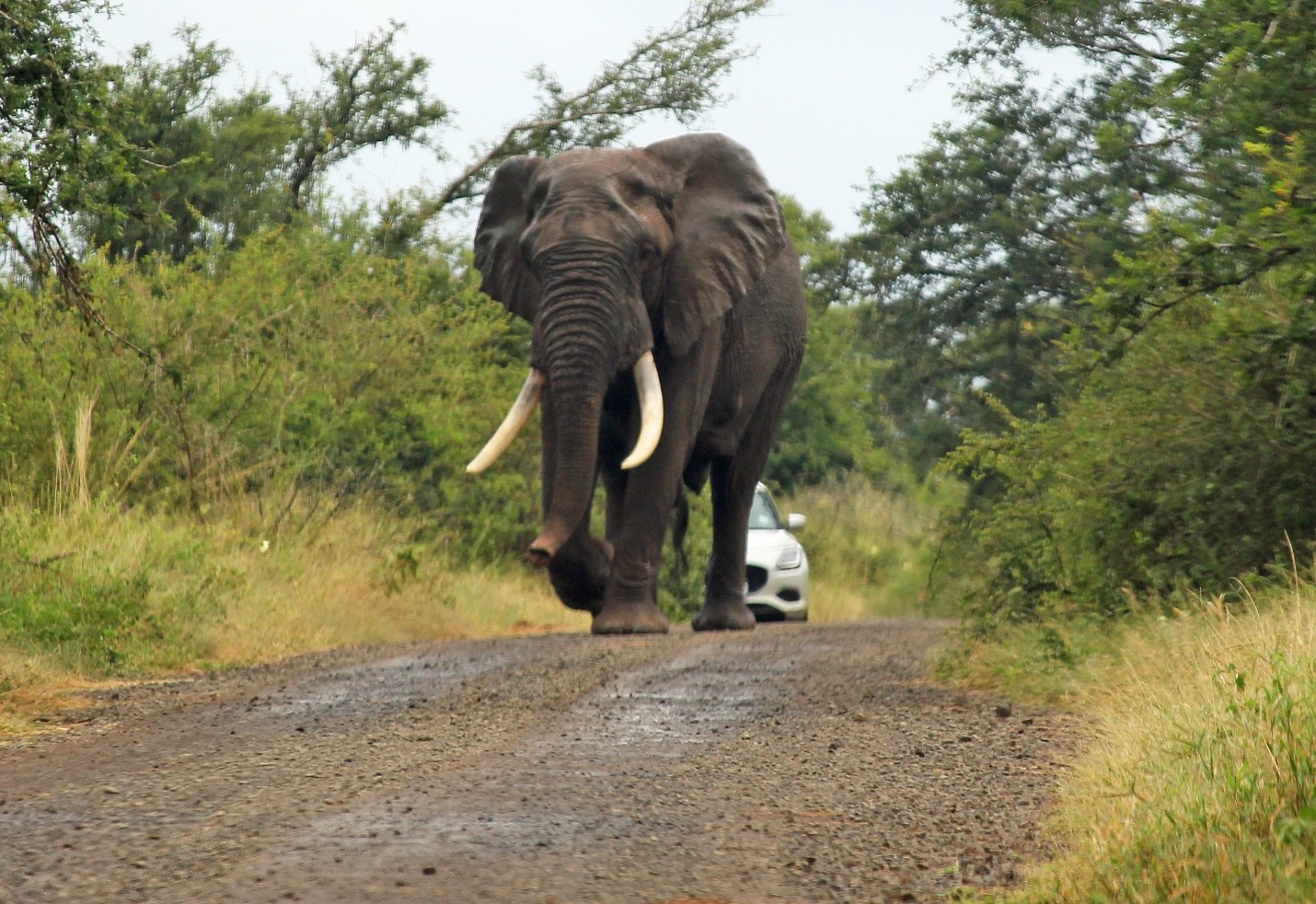
If you prefer viewing wildlife at your own pace, Kruger offers the opportunity of a lifetime for anyone wanting to do a self-drive safari in a private vehicle. The park’s tourism infrastructure is first-rate and designed to accommodate independent travellers.
A network of rest camps spread across the park means you can travel from one end to the other, staying in different camps, dining at the park restaurants or self-catering, and watching the landscape transition from the lush south to the drier north. Alternatively, you can base yourself at a single camp and do different loop drives each day.
Either way, you have the freedom to head out at dawn and see the park at your leisure from the comfort of a climate-controlled vehicle. Game drives can be as short or as long as you want. Drive from one rest camp to another for lunch and then return along a different route in the afternoon.
For birders, self-driving is almost essential. Most of the safari vehicles are out to make sure guests see the Big Five, with little time spent on spotting birds, apart from a few of the most striking species. If you are a photographer, having your own vehicle can be an enormous advantage.
Park accommodation
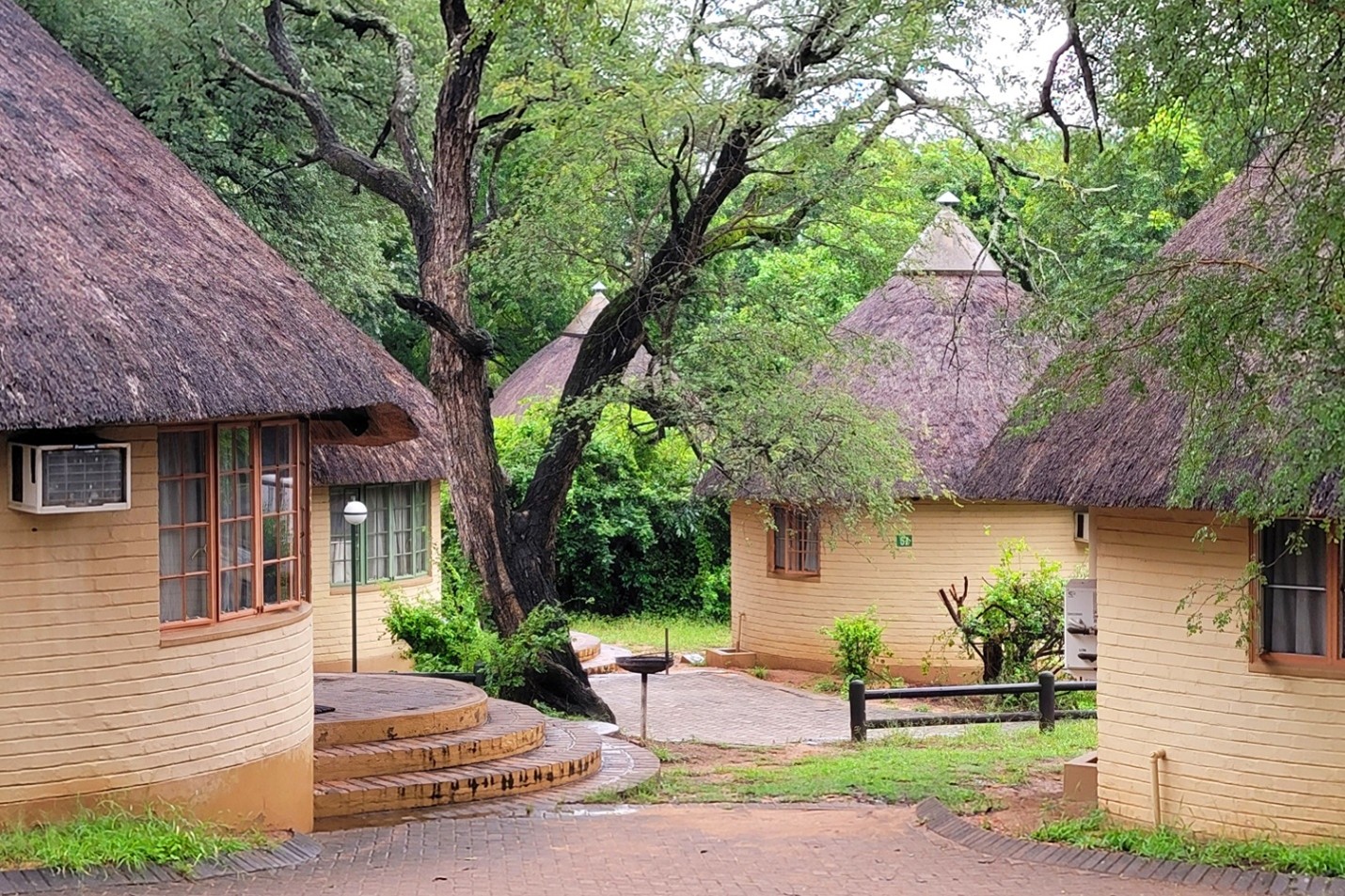
Park accommodation ranges from one-bedroom air-conditioned bungalows to family cottages and larger, more luxurious guesthouses with private plunge pools for groups. The main rest camps are Skukuza (the largest), Lower Sabie, Satara, Letaba, and Olifants. Each is a little different and offers access to different areas of the park. Book accommodations well in advance, especially in the high season (July and August).
Staying Outside of the Park
If the rest camps in Kruger are fully booked, or you are looking for something more residential, like a vacation rental, Marloth Park is a convenient alternative. Bordering the southern edge of Kruger along the Crocodile River and just a short drive from Kruger’s Crocodile Bridge entrance, Marloth Park is more like a small town, with private homes, a few boutique lodges, restaurants and convenience stores. This is not an exclusive game reserve by any stretch, but it does offer a unique experience.
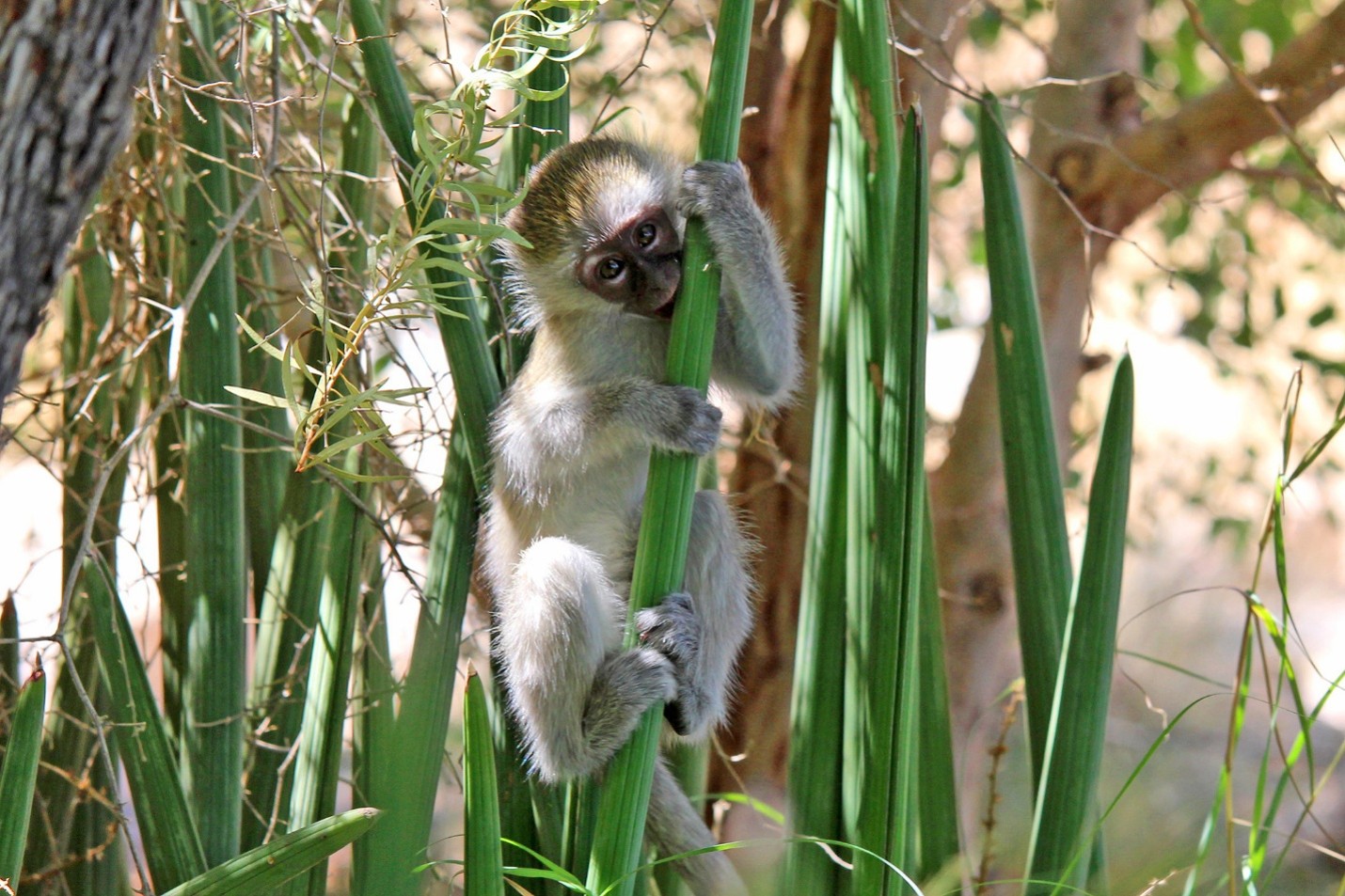
While elephants and big cats are restricted to the Kruger side of the fence, in Marloth, you can walk freely with kudu, zebras, giraffes, blue wildebeests, impalas, warthogs, and vervet monkeys who roam the streets and graze in the yards.
The Amazing Kruger View Restaurant in Marloth Park is a special place to enjoy a sunset meal or drink while watching hippos and elephants on the banks of the Crocodile River below.
Getting to Kruger National Park
Several airports serve Kruger. If you are staying at a safari lodge or working with a travel advisor, they will let you know which airport you will be flying into. The main airport is Kruger Mpumalanga National Airport, south of the park near Mbombela. From here, you can rent a vehicle, pick up supplies if you are self-catering, and drive into the park, usually through Malelane Gate or Phabeni Gate.
When to Visit Kruger
The landscape in Kruger is quite dense with scrub and woodland, especially in the south. Consequently, the best time for game viewing is in South Africa’s dry winter months (May to September), when deciduous trees lose their leaves, and you can peer deeper into the bush. Winter temperatures are cool, and early morning drives in open-air safari vehicles can be bone-chilling. Bring layers and a windproof jacket.
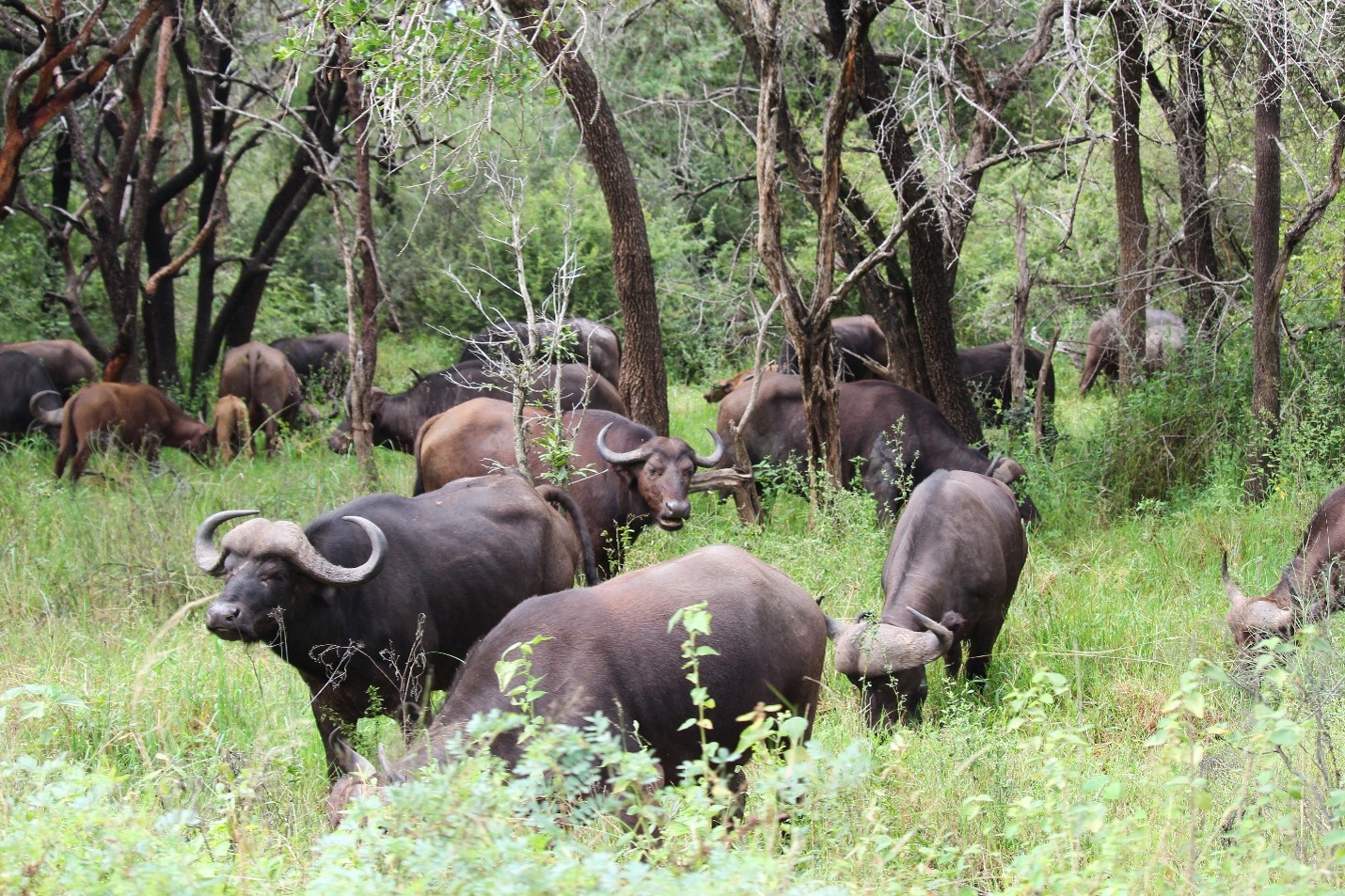
You can visit in the hot summer wet season, but denser foliage means sightings are mainly on the road, rather than in the bush. That said, you will see animals here at any time of the year.
To have a real chance of seeing a variety of wildlife, you need at least three nights, but animal lovers will want to allow more time.
Day Trip from Kruger to Drive the Panorama Route
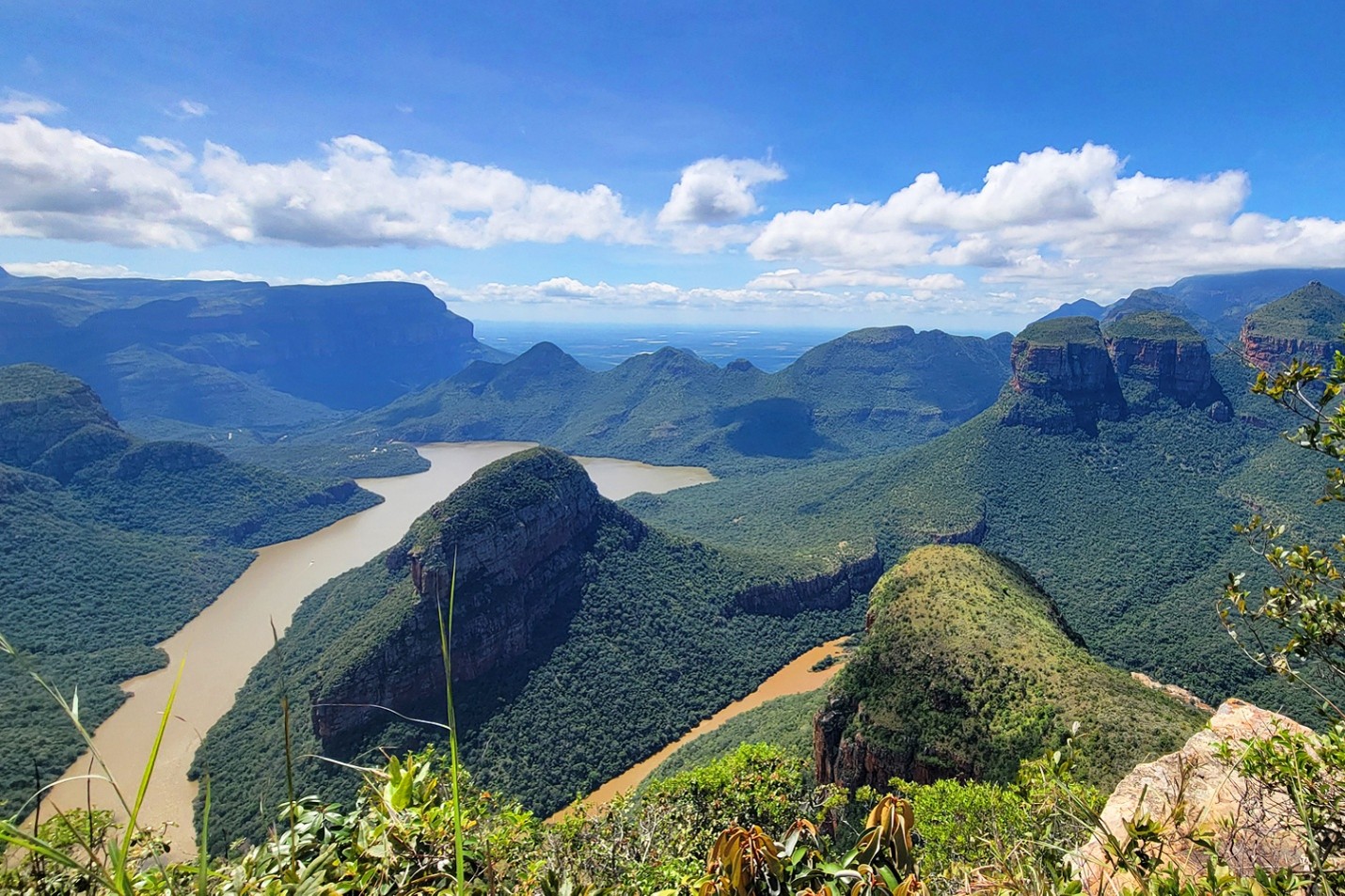
If you are looking for a way to fill another day while in the Kruger area, add on to a trip to explore the nearby Panorama Route. This is a one-day scenic drive through mountains and canyons with lush valleys, waterfalls, and beautiful overlooks. It begins about an hour west of Kruger’s Phabeni Gate, on the west side of the park. It’s particularly beautiful during the summer months.
Visiting the Kalahari: Kgalagadi Transfrontier Park
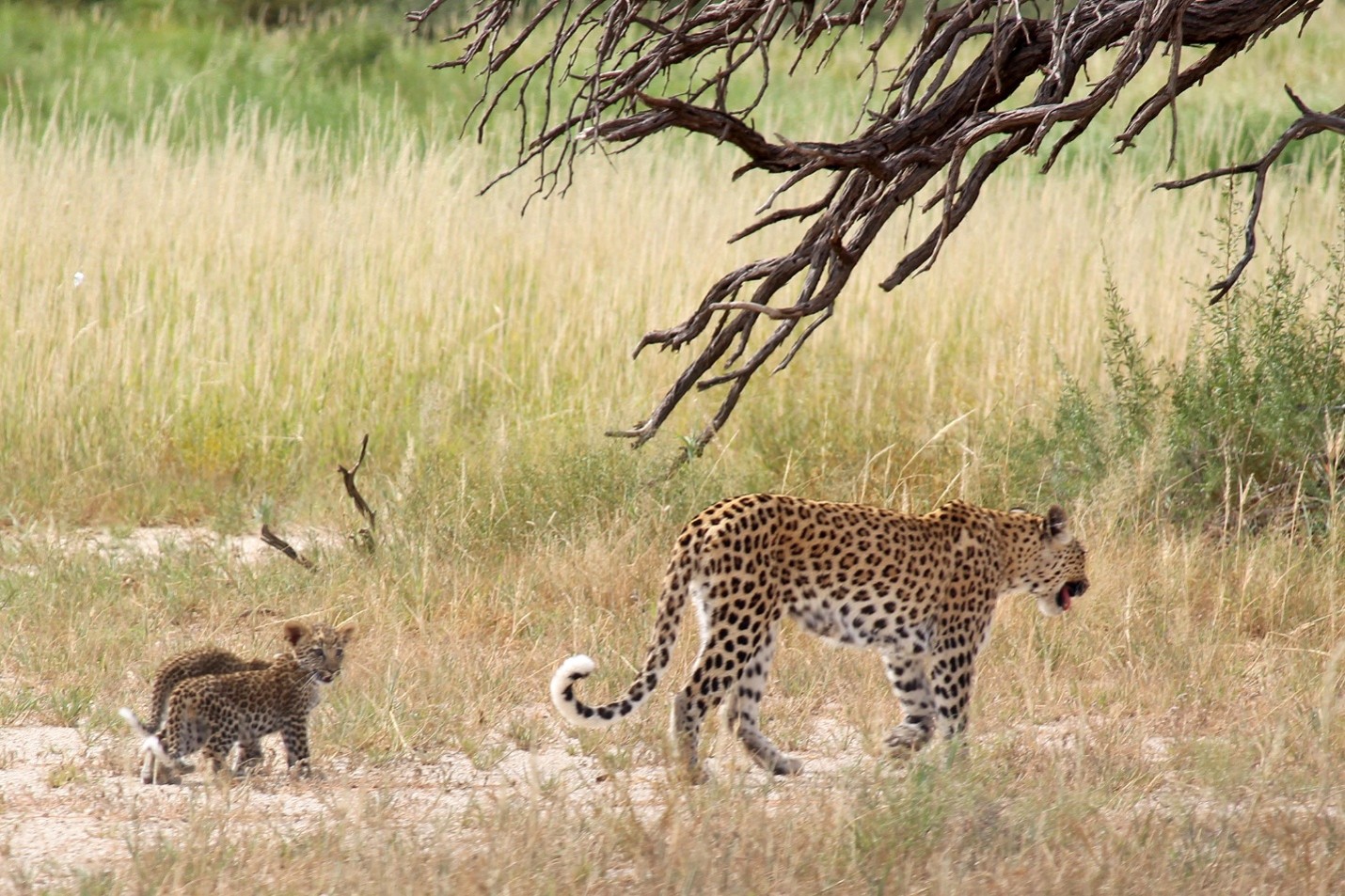
A little over 1,000 kilometres north of Cape Town in the arid Northern Cape lies the Kalahari, and one of South Africa’s true gems: Kgalagadi Transfrontier Park. Remote and far less visited than Kruger, it is a well-known favourite among South Africans who come here to enjoy the sightings as well as the solitude. The abundance of big cats is one of the top draws.
For independent-minded travellers who are open to a little adventure, Kgalagadi offers a truly unique safari experience away from the crowds. Adventure in this sense does not mean difficult. In fact, a trip here is remarkably easy to execute, but the only real way to see it is in a private vehicle, and there are no five-star luxury safari lodges.
Instead, you get uninterrupted vistas that stretch for miles across the Kalahari Desert. With no dense brush obstructing your view, the wildlife sightings are extraordinary. For photographers, this is a dream destination, with golden grasses glowing in the African sunset against a backdrop of undulating red sand ridges.
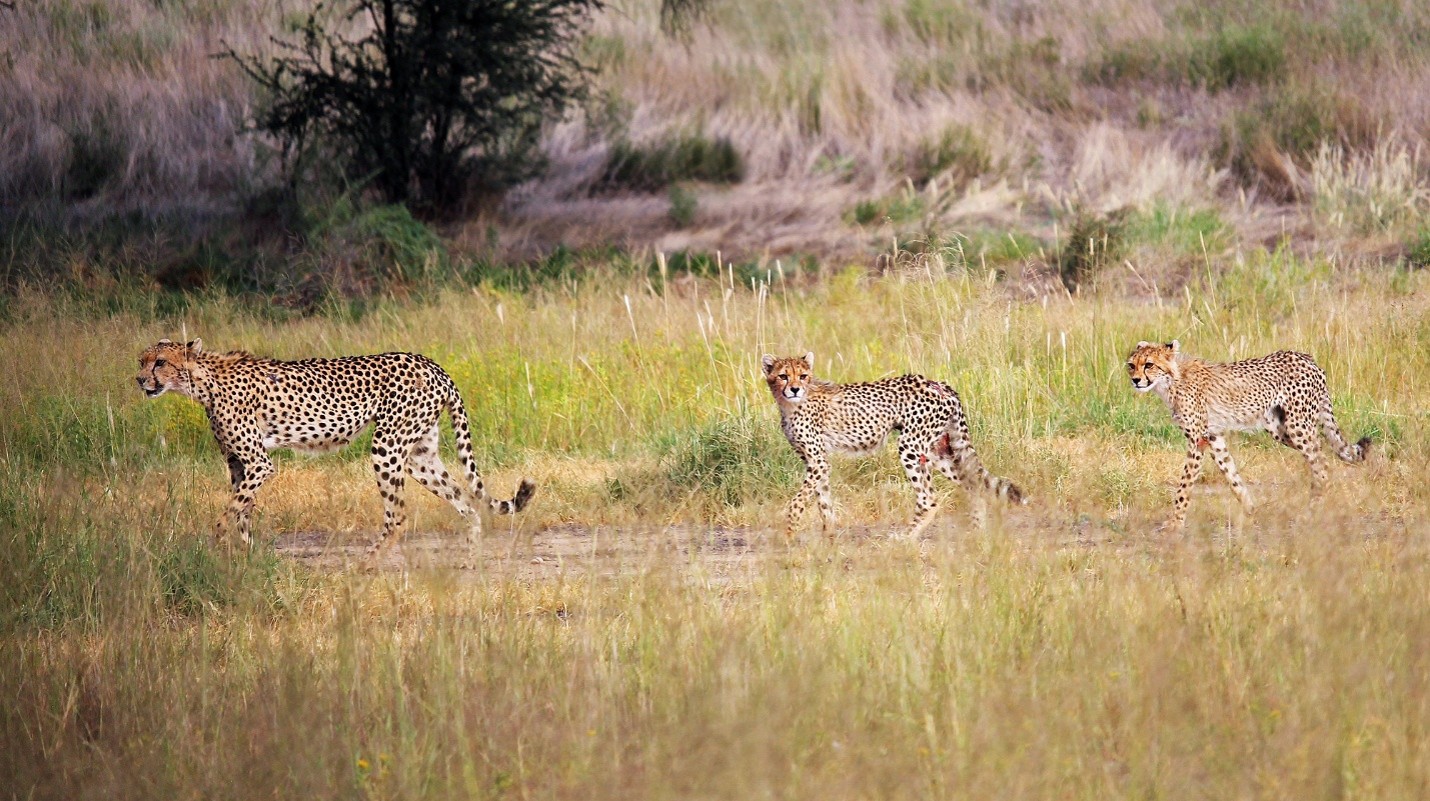
If your vision of a safari is one of black-maned lions lazing beneath a lone tree, herds of blue wildebeest and springbok roaming vast open spaces, cheetahs hunting in the tall grass, and a leopard with cubs crossing open ground, this is where you’ll find it.
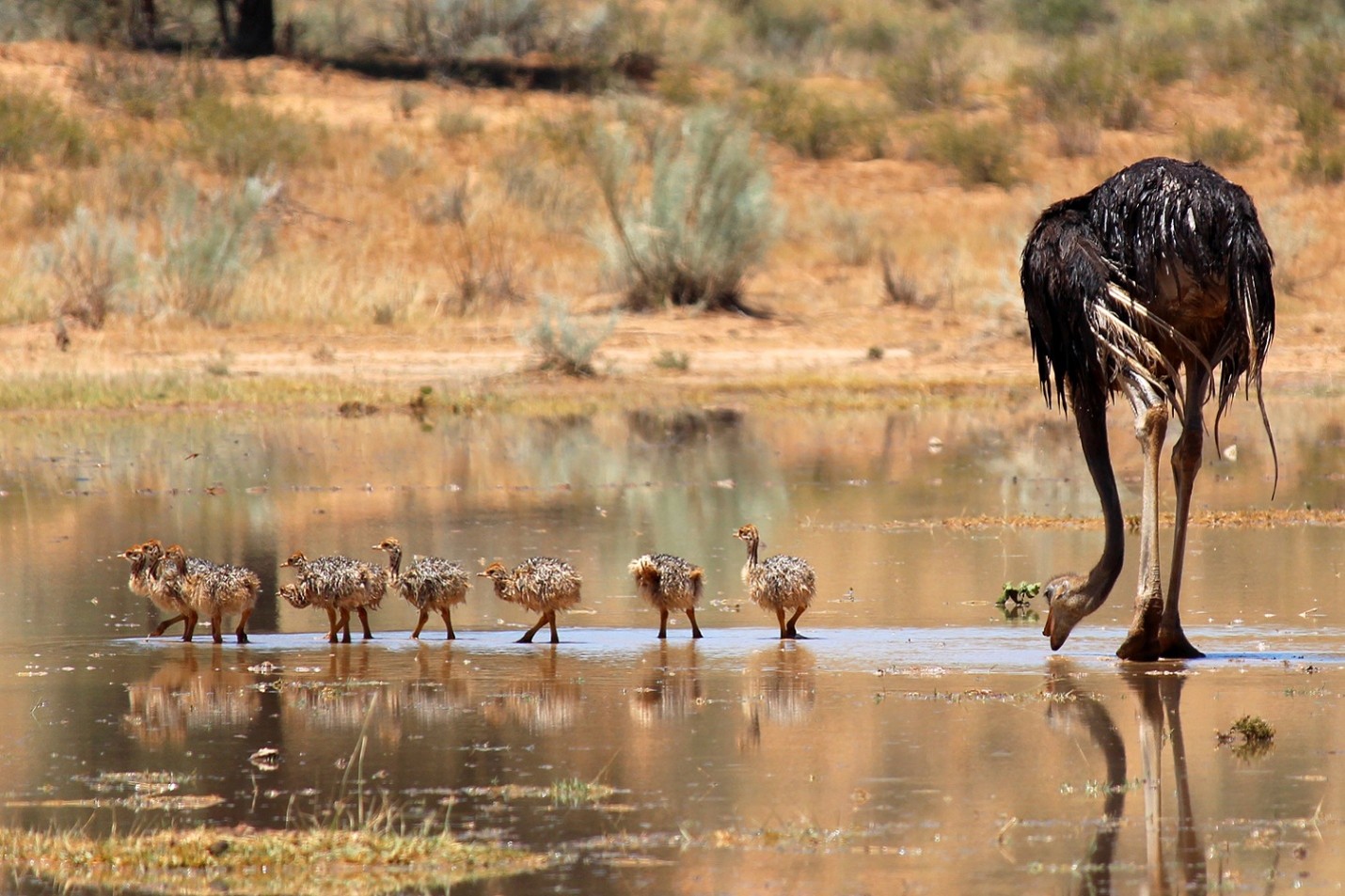
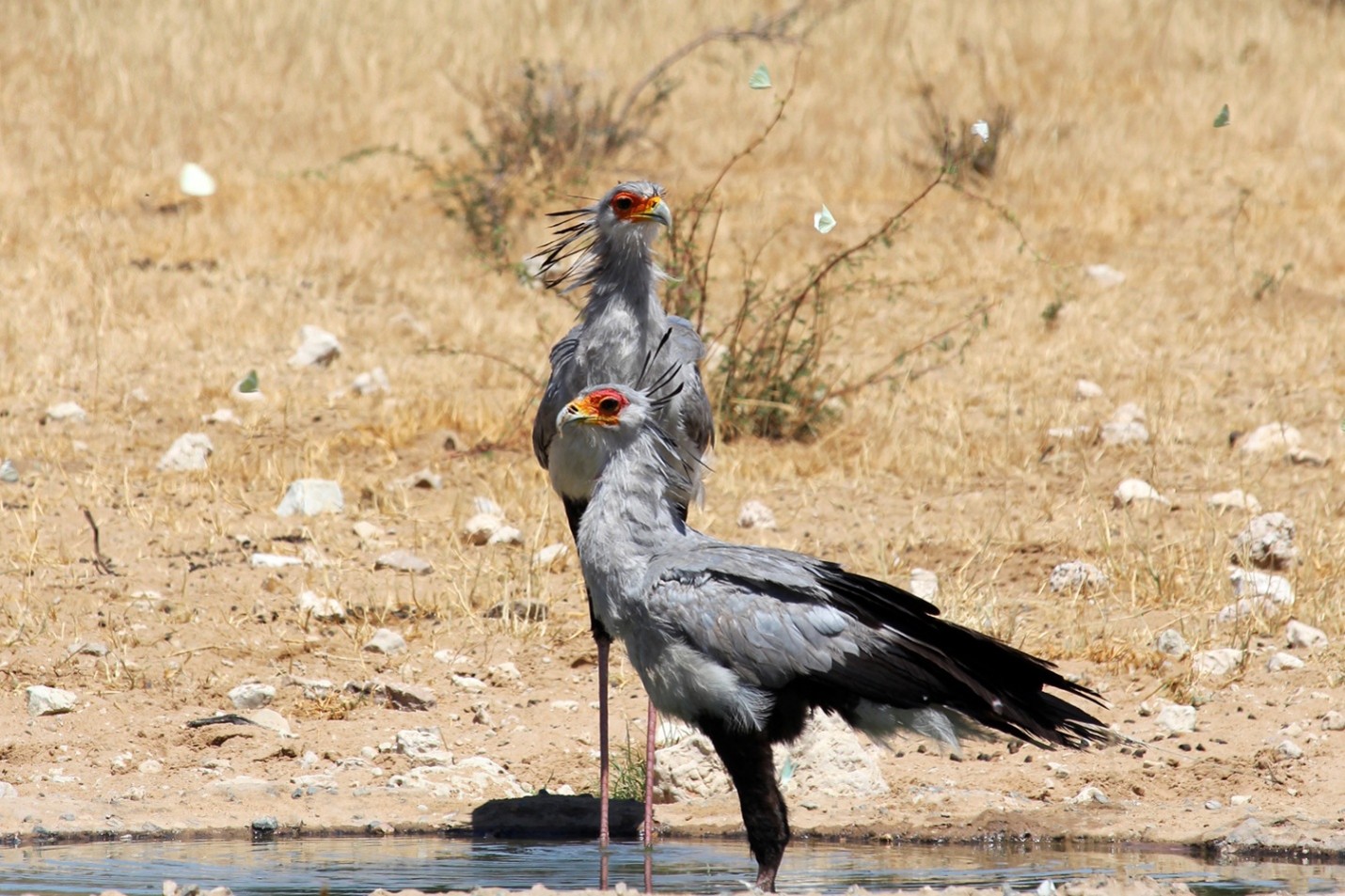
The Kgalagadi is also a haven for birders. Owls and other raptors are a common sight in the trees and skies, striking secretary birds and bustards wander the fields, and ostriches seem to pop up everywhere.
This huge park stretches across a portion of South Africa and into Botswana, along the border with Namibia, with no fences between countries. From the South African side, you can enter at Twee Rivieren Gate, less than a 3-hour drive from Upington.
Once you’re in the park, you don’t need to drive far to see a vast array of animals. Within 60 kilometres of the park gate, we saw lions, leopards, cheetahs, jackals, huge numbers of various antelope, owls, ostriches, meerkats, secretary birds, and much more. We opted to stay at a lodge outside the park and explore on day trips.
The remote nature of this park and the low number of visitors foster a sense of camaraderie. Fellow travellers are happy to share information about sighting locations and help out if you run into trouble.
How to Visit
Fly into Upington and rent a 4WD vehicle, which is essential for some of the sandy terrain. For comfort and a touch of luxury, you can stay just outside the park gates at the Kgalagadi Lifestyle Lodge – the only lodge in the immediate area. The property offers well-appointed bungalows with full kitchens, expansive views over the desert to Botswana, a swimming pool for relaxing in the afternoons, and an excellent restaurant.
If you are staying outside the park, you must make a reservation by phone in advance to enter the park because the number of day visitors is capped and extremely limited.
Alternatively, you can stay at park bungalows or camp, though these typically book out almost a year in advance. Kgalagadi is not like Kruger with restaurants and shops; it’s remote, and you need to be self-sufficient, with your own groceries and supplies for self-catering. For camping, people often rent fully equipped camping 4x4s.
When to Visit Kgalagadi Transfrontier Park
Officially, high season is during the cooler and drier months, from March to August, while September to October is the shoulder season.
December to April is the hot and wet season, although rainfall is still low since this is a semi-desert area. But this is also the peak time to see cubs and other newborn wildlife. We visited in late January and loved it. Although the midday sun was hot, we headed out early each morning, and the sightings were phenomenal, from leopard and cheetah cubs to various antelope calves and ostrich chicks. The park was not busy, and at night we were often treated to passing lightning storms.
Tip: If you want to expand your trip in the Northern Cape, Augrabies Falls National Park is a small but interesting area about a 4-hour drive away. You can admire the waterfalls and do short drives to see the landscape and wildlife. This park has lovely chalets overlooking the falls and gorge, or you can stay outside the park at the boutique luxury Dundi Lodge.
About South African Parks and Wildlife Experiences
South Africa's national parks (SANParks) are remarkably well equipped to host visitors. Fenced-off rest camps offer a range of lodging, from campsites to simple air-conditioned bungalows with en-suites and kitchens right through to well-appointed chalets for larger groups, depending on the park. You can book up to eleven months in advance directly through the SANParks website, and because these are so popular, the further out, the better.
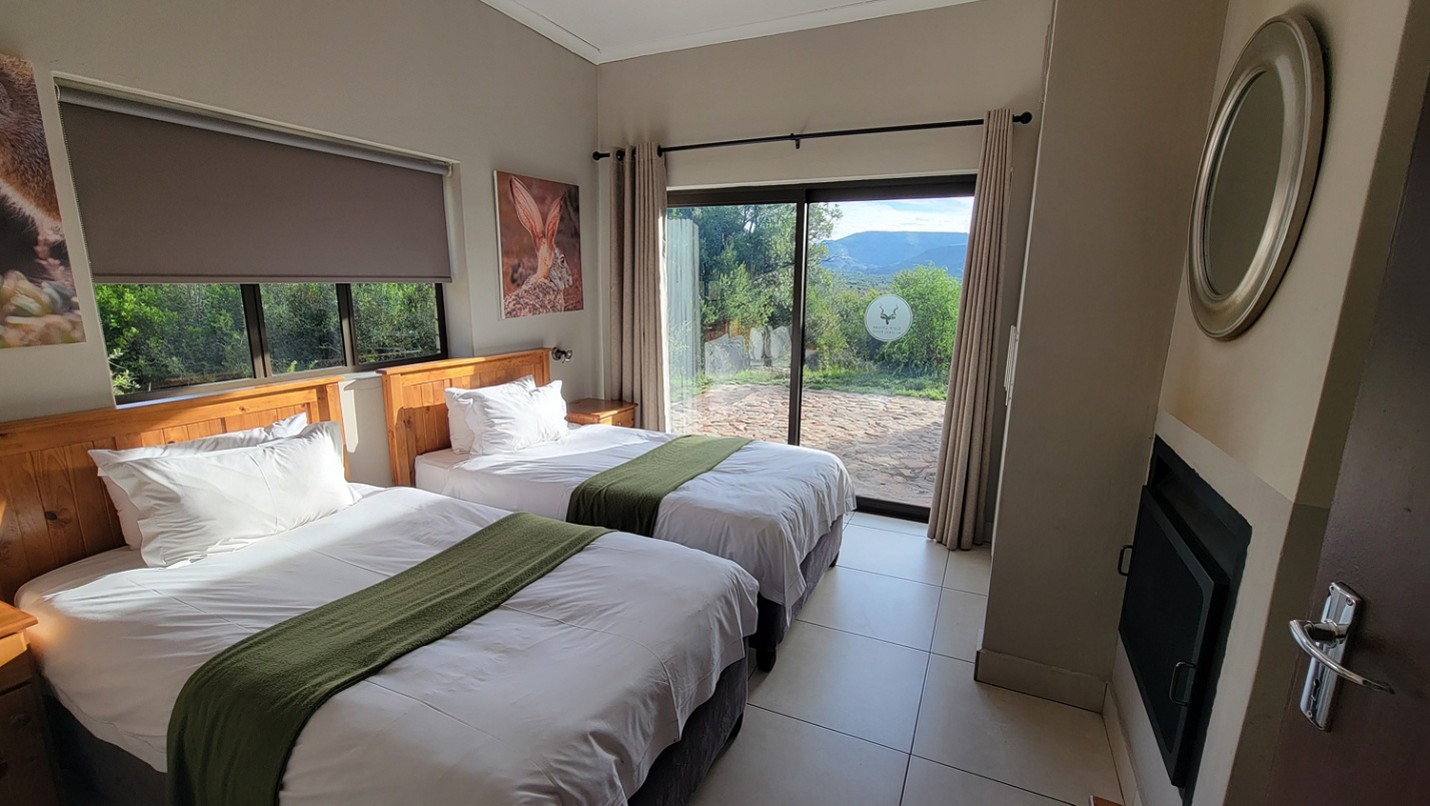
Larger rest camps at most parks generally have a restaurant and store with supplies and souvenirs. SANParks also offers morning, sunset, and night game drives (varying by park) in open-air safari vehicles (OSVs), which you can book in advance or upon arrival if space is available. These leave either from the park entrance or the rest camps.
Unlike Kgalagadi, where roads are unpaved, and a 4WD is strongly recommended, popular parks like Kruger, Addo Elephant, and Mountain Zebra have paved main arteries and good gravel roads that a 2WD can easily navigate.
That said, SUVs and high-clearance vehicles put you a little higher and can be better for wildlife viewing. The open-air safari vehicles are significantly higher than an SUV and give you good views into the distance, but for photography, your images are often looking down on animals. Cars and SUVS can be an advantage for the perspective they offer if you have a clear view of the animal.
We decided try our luck spotting animals on our own and take a tour if we had trouble. We never had any problem finding wildlife, but we did try a guided day drive and night drive in an open-air safari vehicle to understand the differences. You cannot do a night drive in the park in a private vehicle. Rest camps close their gates at sunset.
Each of the parks has a SANParks Facebook page, with helpful information for visitors and posts by other travellers to give you a sense of what’s happening before you arrive.
When to Visit South Africa
This is the Dilemma. If you are here in South Africa’s summer (Canada’s winter), it’s great for visiting Cape Town, the Garden Route and nearby southern parks, and reasonably pleasant for visiting the Kalahari. It is not the best season for wildlife viewing in Kruger when heavy rains can impede travel and the dense bush is thick with leaves, making animals harder to spot. That said, you can visit Kruger year-round, but it’s advisable to avoid the Christmas school break when the park is packed and, if possible, January and February.
If you decide to skip Kruger National Park, which travellers sometimes do to avoid taking malaria medication, then South Africa’s summer is undoubtedly the best time to visit the country.
Tips for Planning
Following a South Africa Facebook group can be a great way to see what other travellers are doing and learn about areas before you arrive. We followed South Africa Travel Tips, which was great for asking questions about which roads to take, what areas might be unsafe, and even restaurant recommendations.
Driving is on the left side of the road. Many of the major international car rental brands are available, like Hertz, Avis, Budget, and Enterprise.